


Cold Feet & Poor Circulation

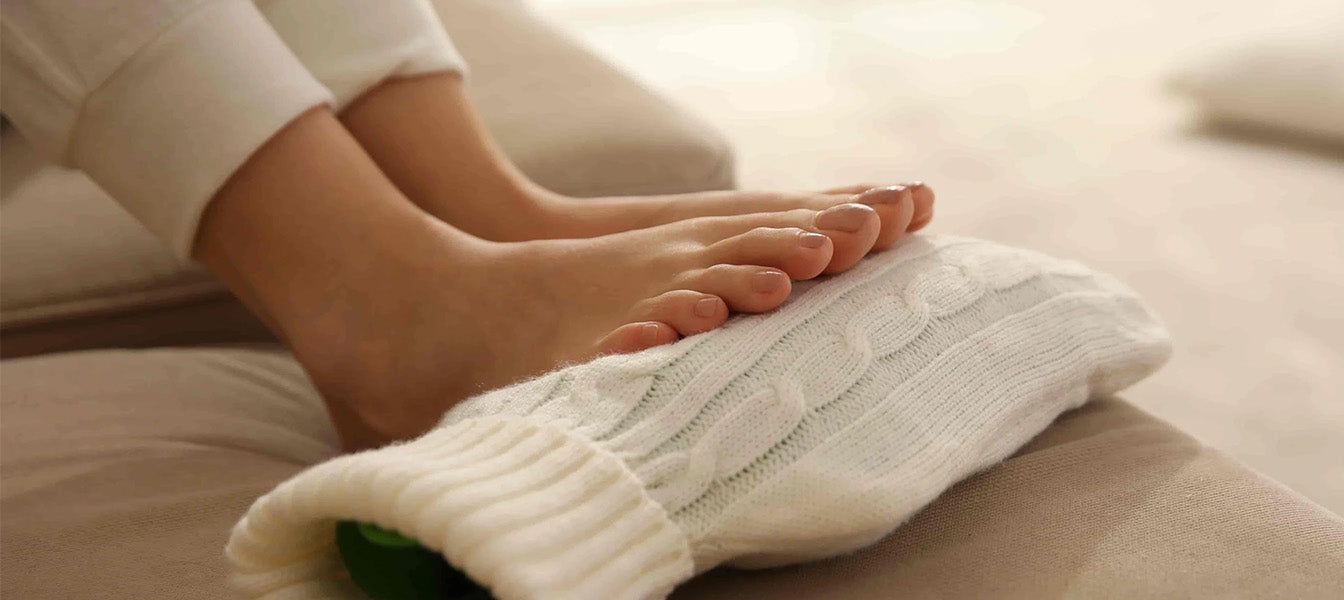
Cold feet are a common issue, especially for those with reduced circulation, leading to discomfort in colder weather or after long periods of sitting. This condition affects comfort and well-being.

Free_Delivery

Free Delivery & Online Returns

Money_Back

90-Day Money-Back Guarantee

Warranty

Free Extended Warranty

Load video: Cold Feet & Poor Circulation

🔷What is Cold Feet & Poor Circulation ?

Cold feet & poor circulation means your feet feel cold because not enough warm, oxygen-rich blood is reaching the lower extremities (toes and feet) as efficiently as it should.

When circulation slows—often from long periods of sitting/standing, reduced calf-muscle activity, aging-related vessel changes, or fluid pooling—your body may send less blood to the feet.

🔷Why It Happens

Cold feet & poor circulation often happen when blood flow slows down or your feet lose heat faster than warm blood can replace it. Underlying health factors (sometimes): Anemia, thyroid issues, diabetes-related nerve changes, or vascular disease can contribute—especially if symptoms are persistent or worsening.

Common causes of Cold Feet & Poor Circulation
causes_snake

Slow Micro-Circulation

Poor circulation can result in cold extremities, particularly in the feet. When blood flow slows down, your feet may feel cold, especially during colder weather or after periods of inactivity.

causes_age

Age-Related Circulation Decline

As we age, circulation naturally slows down, leading to reduced blood flow to the feet and extremities. This often causes a cold, pale appearance in the feet, especially in colder climates or during rest.

causes_sit

Sedentary Lifestyle & Seasonal Temperature Changes

Sitting for extended periods or exposure to cold weather can reduce circulation in the feet, leading to discomfort, slower warming, and cold feet. Reduced physical activity can exacerbate the problem by further slowing blood flow to your extremities.

Cold_Feet_Poor_Circulation_feels

🔷How It Feels

People often report:

  • Feet that feel cold to the touch or hard to warm up
  • Tingling, numbness, or “pins-and-needles”
  • A feeling of tightness, heaviness, or fatigue in the lower legs
  • Symptoms that worsen at night, after inactivity, or in cooler temperatures

It’s a symptom, not a diagnosis—but it can be a sign that your circulation and lower-leg muscle pump need more support through movement, muscle activation, warmth, and circulation-friendly habits.

Free_Delivery

Free Delivery & Online Returns

Money_Back

90-Day Money-Back Guarantee

Warranty

Free Extended Warranty

🔷The support you can get

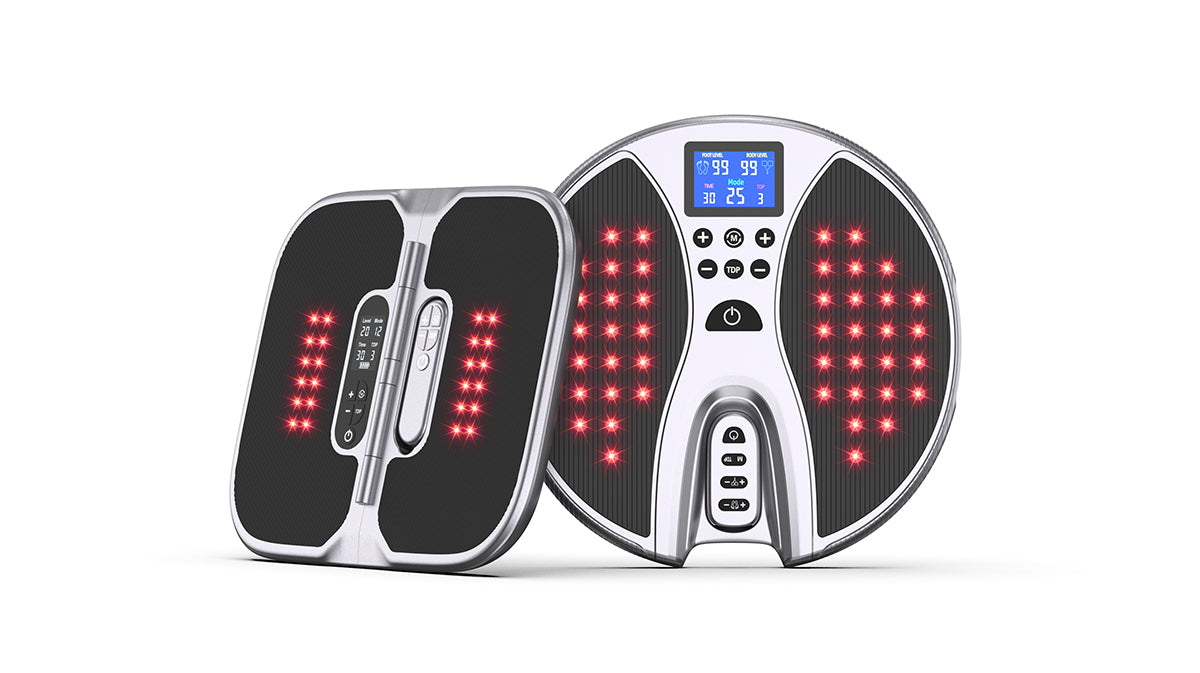
Welliawell combines infrared heat and EMS (Electrical Muscle Stimulation) to improve circulation, warm the feet, and promote comfort:

  • Boosts micro-circulation to support more consistent blood flow to the feet
  • Warms deeper tissue to help cold feet feel easier to warm up
  • Activates muscles gently to mimic natural movement and reduce that “heavy leg” feeling after sitting or standing
  • Promotes comfort in the extremities so tingling and tightness feel less distracting
  • Supports daily foot warmth—especially in the evening or cooler temperatures

With regular use, Welliawell can help your feet feel warm and comfortable, even on the coldest days.

See your Doctor if your symptoms persist.

Clinical Recommendation

Condition: Cold Feet & Poor Circulation

Cold feet commonly reflect reduced delivery of warm, oxygen-rich blood to the feet, often driven by low calf-muscle pump activity (prolonged sitting/standing), cold-induced vasoconstriction, and slower venous return. Supportive care targets peripheral perfusion, gentle muscle activation, and local warmth to improve day-to-day comfort.

Movement first (daily): Break up sitting/standing every 30–60 minutes. Add ankle pumps and calf raises as tolerated.

Warmth + avoid constriction: Use non-restrictive socks/footwear; avoid tight bands that leave marks.

Adjunct home support (Welliawell-aligned): For persistent “hard-to-warm” feet—especially worse at night or after inactivity—consider a non-invasive, drug-free routine using Welliawell infrared heat + EMS (Electrical Muscle Stimulation):

Infrared heat supports tissue warming and comfort.

EMS provides gentle, repeatable muscle activation to support the calf/foot “muscle pump” and circulation-related comfort.

Start low, increase gradually, and stop if symptoms worsen.

Safety / When to Seek Care

Seek evaluation if there is sudden one-sided coldness, color change (pale/blue/purple), rest pain, non-healing sores, or progressive numbness/weakness.

Avoid or consult a clinician before EMS/heat if you have an implanted electronic device (pacemaker/ICD), pregnancy, suspected/active clot, open wounds in the area, or markedly reduced sensation.

Clinician:Joshua A. Beckman, MD — Chief, Division of Vascular Medicine

Practice Location: KALISPELL, MT, USA

✔ Check out how its work

Reviews from Real Users


I sit at a desk most of the day, and by late afternoon my legs feel heavy and my feet feel tight. WELLIAWELL has been a great daily reset. The stimulation feels like my muscles are actually “waking up,” almost like I took a short walk, and the warmth makes everything feel looser. The mode options are helpful—some days I want a stronger session, other days I keep it light. It’s not a miracle gadget, but it’s a practical, drug-free way to feel better and keep my feet and lower legs more comfortable.

I’ve dealt with cold feet for years, especially at night. Even in socks, my toes would feel icy and it would take forever to get comfortable. I work at a desk and I’m sitting most of the day, so I’m sure that doesn’t help. I started using WELLIAWELL in the evening—usually 15–20 minutes after dinner while I’m watching TV.

The first thing I noticed was the warmth. The infrared heat feels steady and gentle, not like a “burning” heat pad. Then there’s the stimulation—at first it felt strange, but once I found a lower intensity that felt comfortable, it became part of my routine. On nights when my feet feel extra cold, I’ll bump it up one or two levels.

After a couple of weeks of consistent use, my feet feel easier to warm up and I’m not constantly chasing comfort in bed. I also like that it’s simple to use, adjustable, and doesn’t require any complicated setup. For me it’s not about a quick fix—it’s a small daily habit that makes my feet feel more comfortable, especially on cold nights.

⏮ Back to all symptoms