


Heel Pain (Plantar Fasciitis–Type)

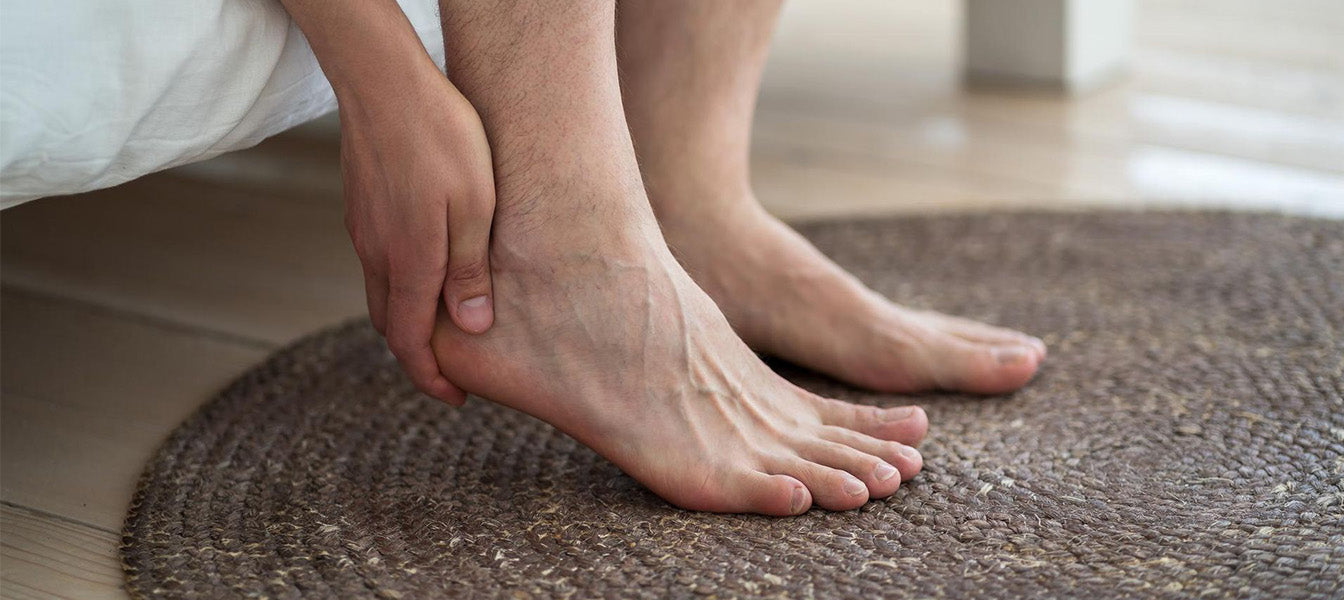
Plantar fasciitis-type pain is widespread, especially among active individuals or those on their feet for extended periods. The sharp heel pain from this condition can be debilitating, particularly in the mornings.

● Reduced Walking Tolerance

● Lower Standing Tolerance

● Reduced Mobility

Load video:

🔷What is Heel Pain (Plantar Fasciitis–Type)

Tight fascia tissue in the foot can cause sharp or dull heel pain, especially in the morning or after long days of standing.

🔷Why it happens

The leg muscles normally act as a “second heart,” helping push blood back toward the upper body. When this system is under-used or strained, blood flow may stagnate, oxygen delivery to the muscles decreases, and metabolic waste builds up—resulting in fatigue, soreness, and discomfort.

Common causes of Heel Pain (Plantar Fasciitis–Type)
causes_age

AgePlantar Fasciitis

Plantar fasciitis occurs when the ligament connecting the heel to the toes becomes inflamed due to excessive pressure or tension, leading to sharp heel pain, especially in the morning or after periods of standing.

causes_snake

Tight Calf Muscles & Poor Foot Mechanics

Tightness in the calf muscles or improper foot mechanics can increase strain on the plantar fascia, contributing to heel pain and tension in the foot arch, especially after long periods of standing or walking.

causes_foot

Excess Foot Pressure & Standing Jobs

Prolonged standing or excess foot pressure from certain jobs or activities can put added strain on the heel, leading to morning heel pain, arch discomfort, and tension in the feet.

Heel_Pain_Plantar_Fasciitis_Type_feels

🔷How it feels

People often report:

  • Morning heel pain
  • Arch tension
  • Pain after long walks
  • Pulling sensation along the foot
Free_Delivery

Free Delivery & Online Returns

Money_Back

30-Day Money-Back Guarantee

Warranty

Free Extended Warranty

🔷The support you can get

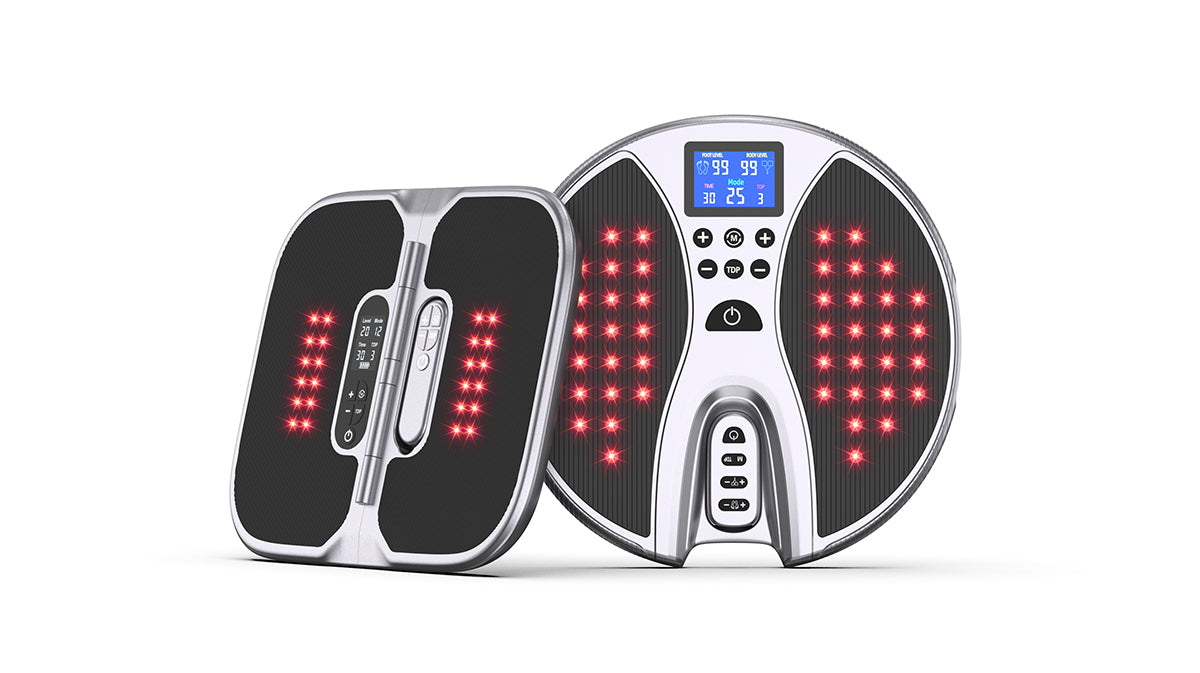
Welliawell’s EMS and infrared heat therapy work together to relieve plantar fasciitis-type heel discomfort:

  • Helps loosen tight tissue
  • Supports recovery
  • Relieves tension in foot arch

With regular use, Welliawell helps reduce heel pain and tension, providing relief from the discomfort caused by plantar fasciitis and excessive foot pressure.

Shop EMS Foot Stimulators

Clinical Recommendation

✔ See how it works

Clinician perspective: Orthopedic Clinic Nurse (RN)Southwest
This is general wellness support, not medical advice.

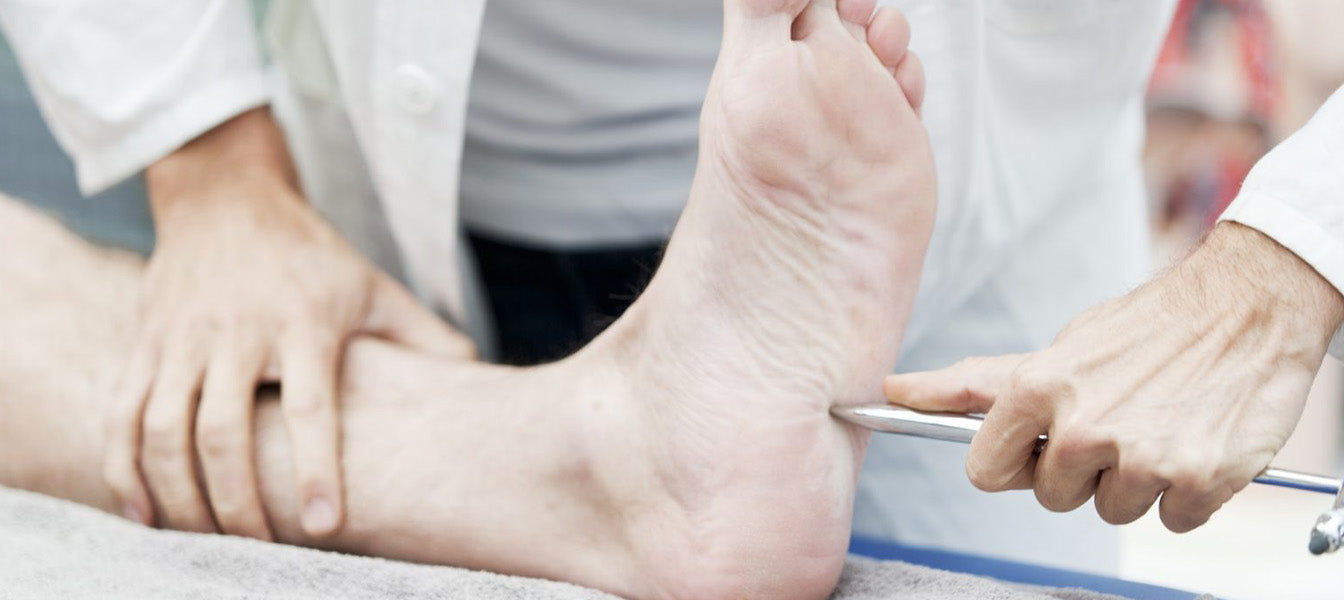
As a registered nurse, I often see “first-step” heel pain that’s worst in the morning or after sitting—commonly linked to stress and micro-irritation in the plantar fascia, the band of tissue that supports the arch.

Start with supportive footwear, calf/plantar-fascia stretching, and smart activity pacing. A home routine like Welliawell’s gentle muscle stimulation + warming infrared can be a helpful add-on to ease arch tension and support daily comfort.

Read more: Full clinical note

In day-to-day care, I often hear patients describe sharp heel pain that’s worst with the first steps in the morning, plus arch tightness or a pulling sensation after longer standing or walking. These patterns are commonly consistent with plantar fasciitis–type pain, where repeated load and strain can irritate the plantar fascia—the thick tissue band that supports the arch and connects the heel to the toes. Mayo Clinic+2

In practice, the foundation is simple and effective: support the foot and reduce overload. I usually recommend supportive shoes (avoid going barefoot on hard floors), gentle calf and plantar-fascia stretching, and gradually pacing walking/standing volume—especially if symptoms flare after long days on your feet. Many people improve with consistent conservative care, and clinicians may also suggest orthotics or night splints when appropriate. Mayo Clinic+1

As an adjunct for daily comfort, Welliawell’s EMS and warming infrared approach may help relax tight lower-leg/foot tissues, ease arch tension, and support a more comfortable routine—particularly for people who feel worse after prolonged standing or repeated foot pressure.

This recommendation is for general wellness support and is not medical advice. Seek medical evaluation if symptoms are severe, sudden, worsening, or associated with significant swelling, redness/warmth, numbness, or inability to bear weight.

Reviews from Real Users

“I’ve always enjoyed taking short walks, but heel soreness started making me hesitant. Welliawell became part of my routine, and the gentle stimulation and warmth feel soothing on tired feet. I’m not expecting miracles—but it’s helped me feel more at ease and more willing to keep moving day to day.”

“My heel pain was the worst first thing in the morning and after sitting for a while. I started using Welliawell in the evenings along with simple stretching, and it helped my feet feel looser and more comfortable before bed. After a couple of weeks, those ‘first steps’ didn’t feel as sharp, and I was able to stay on my feet longer without thinking about it all day.”