




Read more: Full clinical note
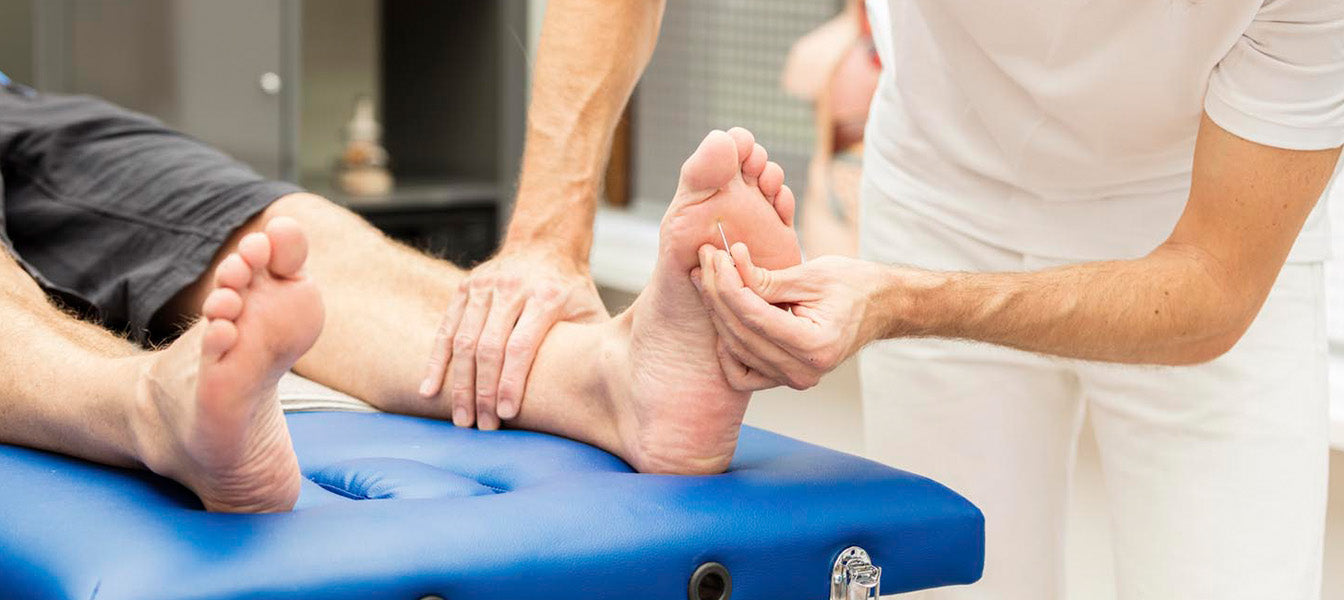
Tingling or numbness can have multiple causes (including nerve irritation/compression, diabetes-related nerve changes, vitamin deficiencies, medication effects, or spine-related nerve issues). If symptoms are new, worsening, affecting balance, or paired with weakness, a clinician should evaluate the cause.
Mayo Clinic overview (Peripheral neuropathy): https://www.mayoclinic.org/diseases-conditions/peripheral-neuropathy/symptoms-causes/syc-20352061
How TENS + NMES fit (adjunct, not a cure):
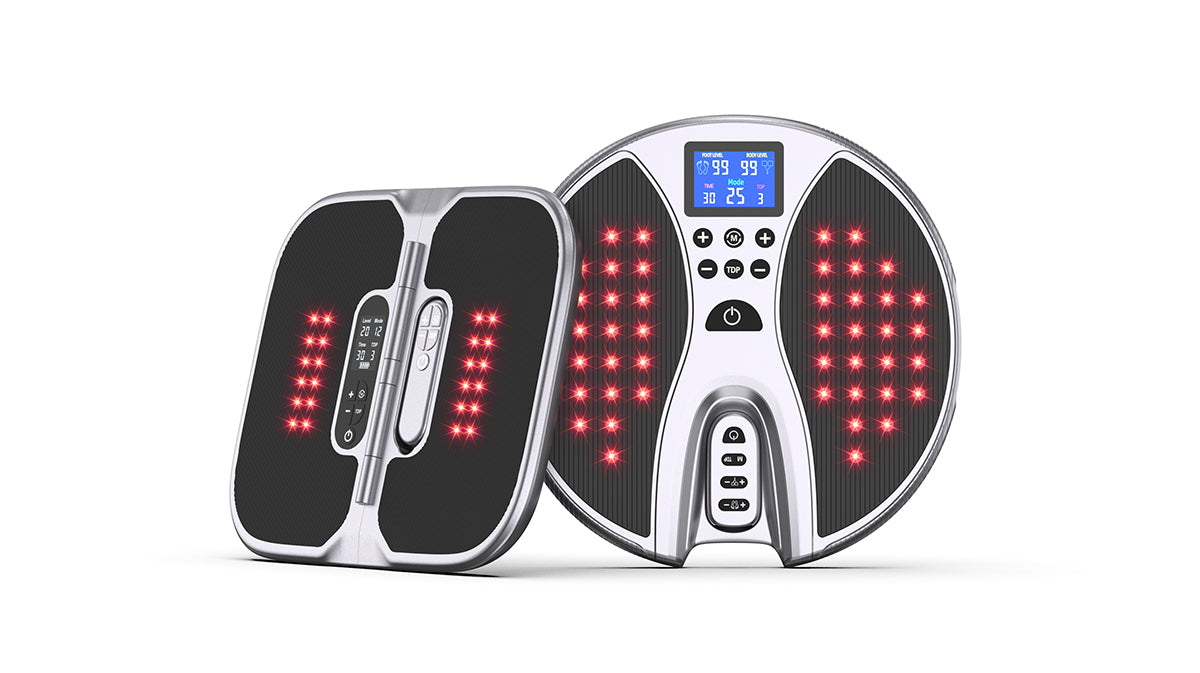
- TENS is used in rehab settings to help manage uncomfortable nerve sensations by providing a calming, non-painful sensory input.
- NMES supports gentle muscle recruitment in the feet and calves, which can be helpful for people who feel “asleep,” sluggish, or less steady after inactivity.
Practical starting routine:
Start low and keep it comfortable. Use TENS for soothing sensation support, then add mild NMES contraction without pain. Consistency matters more than intensity (for example, 3–5 times per week). Pair sessions with ankle pumps, toe curls, and a short walk.
Foot-care note (especially for diabetes):
If you have diabetes, protect your feet: monitor skin integrity and seek care for sores, color changes, or loss of sensation.
NIDDK (Diabetes & nerve damage): https://www.niddk.nih.gov/health-information/diabetes/overview/preventing-problems/nerve-damage-diabetic-neuropathies
Safety:
Do not use electrical stimulation over open skin, infected areas, or new unexplained swelling. Consult a clinician first if you have an implanted device, pregnancy, severe cardiovascular disease, uncontrolled diabetic wounds/ulcers, or suspected DVT. Stop use and seek care if symptoms worsen or you develop new weakness.
Closing guidance:
The best outcomes come from a clear plan: identify contributing factors, keep moving, protect foot health, and use supportive tools consistently. Welliawell can be a sensible adjunct when used appropriately—alongside clinician-guided care.

