


Tingling or Numbness in Feet

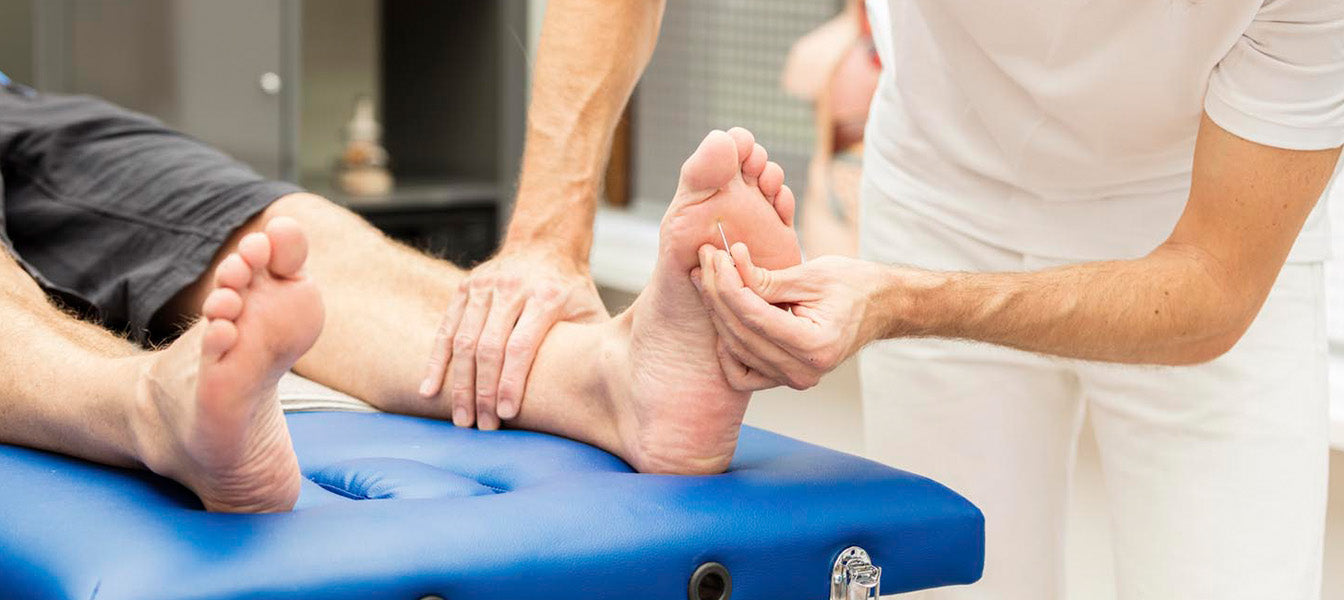
Tingling or numbness usually reflects changes in how your nerves sense and send signals. It can flare when nerves are irritated or “compressed” (like after long sitting), when the feet stay still for too long, or when nerve sensitivity becomes more noticeable at night.

● Reduced Balance

● Lower Walking Stability

● Reduced Foot Awareness

Load video:

🔷What is Tingling or Numbness in Feet?

Tingling, numbness, or burning sensations often come from slowed nerve signaling or reduced circulation that affects nerve tissue.

🔷Why it happens

Tingling or numbness usually reflects changes in how nerves sense and transmit signals. It may be triggered by prolonged pressure on nerves (like sitting too long), reduced circulation to the feet during inactivity, or nerve sensitivity that becomes more noticeable at night.

Common causes of Tingling or Numbness in Feet
causes_snake

Mild Peripheral Neuropathy

Peripheral neuropathy, often caused by diabetes or nerve damage, results in abnormal nerve signaling, causing tingling, numbness, or burning sensations in the feet and legs.

causes_sit

Long Periods of Inactivity

Sitting or standing for long durations without movement can impede proper circulation, causing nerves to feel "asleep" or less responsive. Poor circulation contributes to discomfort and tingling sensations, particularly in the evening or after inactivity.

causes_age

Aging Nerve Pathways

As we age, nerve pathways naturally deteriorate, causing reduced sensitivity and slower nerve communication. This can lead to feelings of numbness, tingling, and discomfort, especially in the feet and toes.

Tingling_or_Numbness_in_Feet_feels

🔷How it feels

People often report:

  • Tingling or buzzing sensations
  • Numb or “asleep” feeling
  • Burning or “pins-and-needles” discomfort
  • Reduced sensitivity
  • Worse at night or after sitting
Free_Delivery

Free Delivery & Online Returns

Money_Back

30-Day Money-Back Guarantee

Warranty

Free Extended Warranty

🔷The support you can get

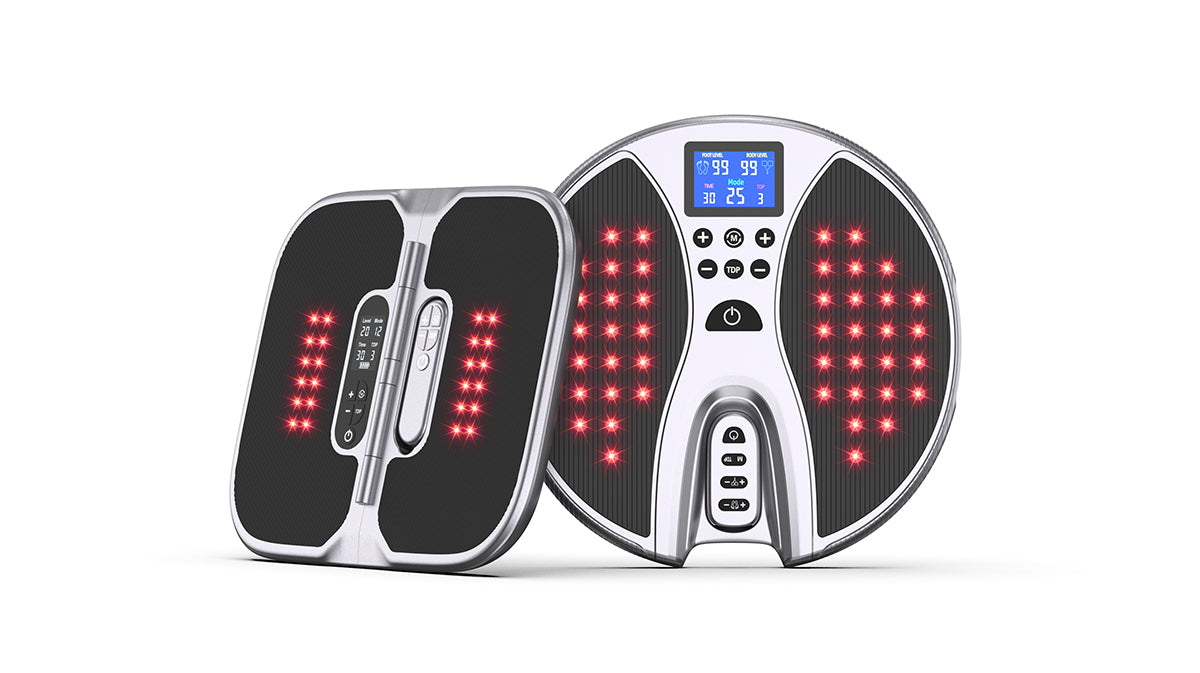
Welliawell combines TENS and NMES to support everyday comfort when your feet feel tingly, numb, or “asleep”:

  • TENS helps soothe uncomfortable nerve sensations, especially when symptoms feel more noticeable at night
  • NMES supports gentle muscle activation in the feet and calves, helping your lower legs feel more “awake” after inactivity
  • Comfortable warmth on supported infrared models
    With consistent use, many people find their feet feel calmer and more comfortable day to day.

Shop EMS Foot Stimulators

Clinical recommendations

✔ See how it works

Clinician perspective: Rehab Clinician (PT/Neuro-Rehab)Midwest
This is general wellness support, not medical advice.

As a rehab-focused clinician, I view Welliawell as a practical adjunct for people who experience tingling or numbness in the feet—after appropriate screening. TENS may help calm uncomfortable nerve sensations, while NMES can support gentle foot-and-calf activation for a more “awake” lower-leg feel. Used consistently alongside movement and foot-care basics, many individuals report improved day-to-day comfort.

Read more: Full clinical note

Tingling or numbness can have multiple causes (including nerve irritation/compression, diabetes-related nerve changes, vitamin deficiencies, medication effects, or spine-related nerve issues). If symptoms are new, worsening, affecting balance, or paired with weakness, a clinician should evaluate the cause.

Mayo Clinic overview (Peripheral neuropathy): https://www.mayoclinic.org/diseases-conditions/peripheral-neuropathy/symptoms-causes/syc-20352061

How TENS + NMES fit (adjunct, not a cure):

  • TENS is used in rehab settings to help manage uncomfortable nerve sensations by providing a calming, non-painful sensory input.
  • NMES supports gentle muscle recruitment in the feet and calves, which can be helpful for people who feel “asleep,” sluggish, or less steady after inactivity.

Practical starting routine:

Start low and keep it comfortable. Use TENS for soothing sensation support, then add mild NMES contraction without pain. Consistency matters more than intensity (for example, 3–5 times per week). Pair sessions with ankle pumps, toe curls, and a short walk.

Foot-care note (especially for diabetes):

If you have diabetes, protect your feet: monitor skin integrity and seek care for sores, color changes, or loss of sensation.

NIDDK (Diabetes & nerve damage): https://www.niddk.nih.gov/health-information/diabetes/overview/preventing-problems/nerve-damage-diabetic-neuropathies

Safety:

Do not use electrical stimulation over open skin, infected areas, or new unexplained swelling. Consult a clinician first if you have an implanted device, pregnancy, severe cardiovascular disease, uncontrolled diabetic wounds/ulcers, or suspected DVT. Stop use and seek care if symptoms worsen or you develop new weakness.

Closing guidance:

The best outcomes come from a clear plan: identify contributing factors, keep moving, protect foot health, and use supportive tools consistently. Welliawell can be a sensible adjunct when used appropriately—alongside clinician-guided care.

Reviews from Real Users

“I get that pins-and-needles feeling at night, and it makes it hard to relax. Using Welliawell before bed feels calming, and my feet don’t feel as ‘buzzing’ afterward. It’s become part of my nightly routine.”

“After long desk days, my feet would feel numb and ‘asleep’ when I stood up. A short session helps them feel more awake, and I’m more comfortable taking a quick walk instead of just sitting more.”